I’m guessing you expect to see, as in the other articles relating to pain, the different causes of neck pain. But due to the complex structure of the neck, I would go over different types of pain that can be caused due to a neck issue, but are not necessarily felt through the neck itself. Another important note before diving into the base structure, through the article, there would be a reference and a short discussion over the skull and jaw, as the skull is part of the neck, and the jaw is part of the skull.
The neck is a relatively small area, but consists of many important parts of the body, including blood vessels (that bring blood to and from the brain), our vocal box, the beginning of our breathing and digestive systems, and is the origin of our Spinal Cord.
Although not all of these system are important to this article, and other systems might not be included to begin with, it is important to understand the complexity of the neck before diving into what can be caused due to it.
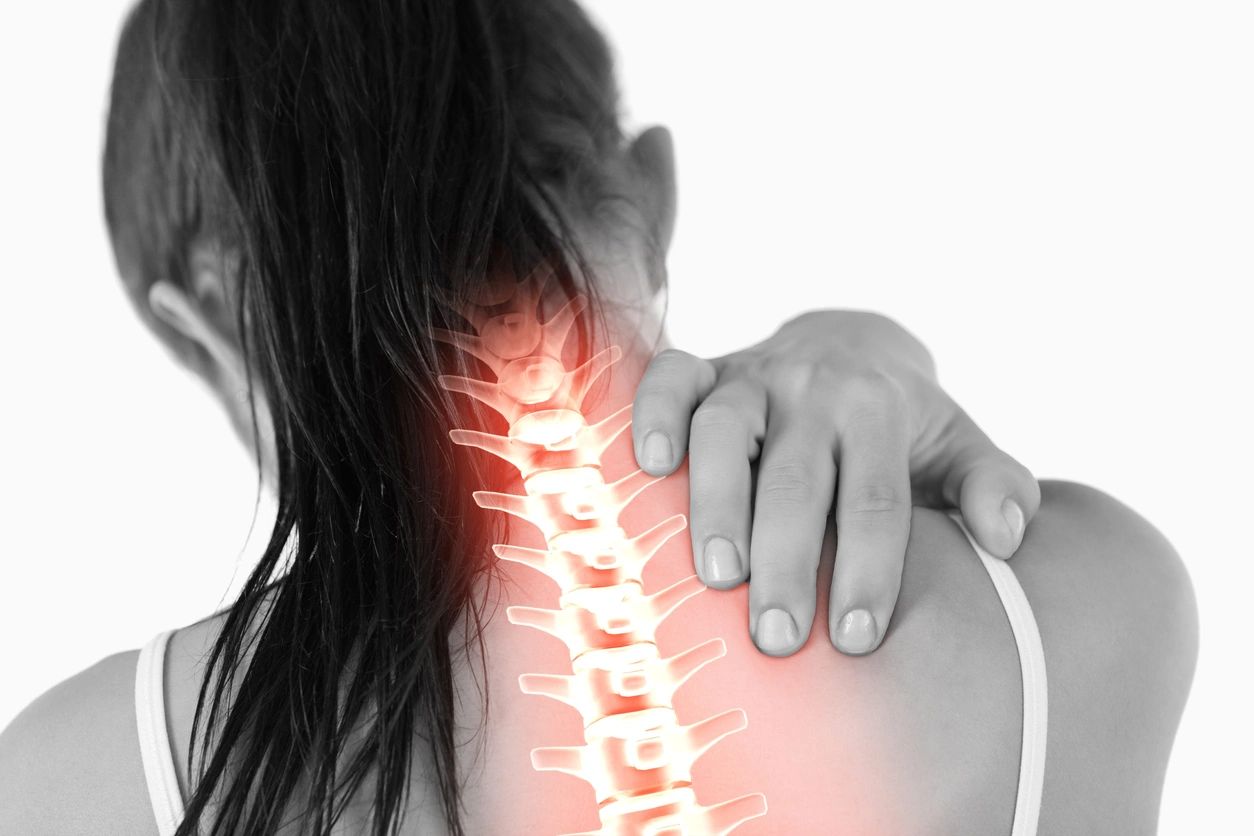
Bone wise, the neck is built of 7 vertebrae, called the Cervical Spine (AKA C Spine), starting from the base of our skull with C1 and C2 (AKA Atlas and Axis), and builds down to the connection with the torso on the Thoracic Spine (AKA T Spine) with the C7 – T1 joint. However, the C Spine is not the only element of the neck when looking at the bone structure, the base of the skull (Occipital Bone) and the lower jaw (Mandible Bone) are both integral parts of the neck and can also cause some severe issues that would project on the neck and from it. Through the bottom of the neck we’d find the 1st Rib, connecting to T1, and the Clavicle bone as barriers from the neck and the torso.
Let’s Examine Some Base Illness Symptoms
Dizziness / Headache / Migraine / Nausea / Vertigo
How many times have you found yourself waking up, opening your eyes and feeling a bit dizzy? Maybe it was after looking at a screen or a book, changing the head’s position triggered slight dizziness that either passed or required you to move your neck a bit to return to stability? And what about finishing a call with a slight headache? Well, I’m guessing the description might sound familiar to some of you, while others might relate to the symptoms but not the trigger scenario. Any of the cases described can occur out of the blue and be resolved just as fast, or some stick for a prolonged period.
The above may be caused by pressure over the Occipital Nerves (Greater Occipital Nerve [GON], Lesser Occipital Nerve [LON] and Third Occipital Nerve [TON]), which may require some release to the muscles located around the area of the nerves. The Occipital Bone is the base of your head, where the skull and the C1 connect. Mild cases can be self handled with some movement and stretches to release the area, while Moderate cases might require a certified therapist involved,however Severe cases should be referred to a MD, for further medical assistance.
Migraines, headaches and vertigo specifically are more common to occur from the jaw, as we might be grinding our teeth, or we eat while working, which places our body in a very questionable posture while chewing, and that could lead to the Masseter pressuring the Facial Nerves that passes through it causing a headache sensation or migraine like feeling.
Shortage of breath – Trigger
While it can be an asthma case, or a reaction to season changes, if you experience any symptoms mentioned through the article, keep the neck a suspect and see if it relates to your latest state of coughing hard. As mentioned, the 1st rib is the lowest border of the neck, at least in this specific article, other sources may claim otherwise, and the 1st rib, as the name might hint, is the pioneer rib in the whole structure of the Rib Cage that holds the lungs and helps us breath. Looking at the breathing process through the upper ribs, main muscles that are used for maximized breathing are the Sternocleidomastoid (SCM) and the Scalene muscle group.
The SCM originates from the neck, it is engaged in heavy breathing, and is mostly used to move the head around, it can rotate, flex and bend the neck (depending if both sides are working or if it’s a single side motion). It originates from the Mastoid process of the Temporal Bone, and is with proximity to the Occipital Bone. Any change to that muscle, either tightness or inflammation can trigger the surrounding muscles and effect the Occipital Nerves.
On the other hand, we have the Scalene Muscles, consisting of Scalenus Anterior, Scalenus Posterior and Scalenus Medius. This group of muscles are used to lift the 1st and 2nd ribs during the breathing process, but are also used to bend and rotate the neck. As with the SCM, should those muscles be irritated they can affect the nerves near by and have radiating sensations to the upper limbs. Those are discussed in the following session.
Herniated/Bulging Disc? Not So Fast
Tingling / Numbness / Radiation Sensation To The Arms & Hands
In my experience, those are pretty common among the general population, as most of us are sitting hours at hand using a PC/Laptop/Smart Phone etc. with poor ergonomic settings which places a lot of pressure on the muscles holding the neck and the head. I won’t lie to you, my setup is not always the best, and I pay the price with neck pains or numbness of my arm.
Why is it happening though? The C Spine is responsible for the nerves reaching and nerving our shoulder, arm and hand (both sides), the nerves originate from C5 to T1 and any muscle that might be tight or inflamed could effect the nerves passing through near it, and affect the nerve supply of the target organ, which would cause the symptoms described.
I encountered cases in which the symptom is triggered during a specific motion or exercise. A quick solution for such case is to move the head either sideways, up or down (case dependent) and perform the movement with a repositioned head.
It’s not a permanent correction, and it won’t solve the issue, but it enables the person to finish what they were doing with less to no pain and it reveals to me, as a therapist, the target muscle I should be working on to release or, as a trainer, the muscle I need to strengthen to that person to prevent it from future occurrences. You can check an example for neck pain with shoulder related exercise through an Instagram Post I’ve uploaded.
Now don’t get me wrong around the subject, those symptoms may also appear due to medical related reasons that require MD’s examination, or could be related to a more proximate muscle to the symptomatic area, but it is important to have the neck considered a suspect as well. A tight back or chest can cause the same symptoms, and of course, the title of this section, a herniated or bulging disc.
If you found any fault or error through the article please make sure to let me know. Remember these are only general cases and there are many more which do not appear in this article, feel free to ask me for guidance. This is not a replacement to an MD’s diagnosis, and it is only for reference and knowledge. Stay Safe!